Top 10 Health Trends USA 2026: What You Need to Know Now
Hey there, fellow Americans. It’s April 2026, and if you’re still swearing off carbs every January only to cave by February, congratulations—you’re basically living in the past. Health trends this year aren’t about extreme diets or gym selfies that last a week. They’re practical, techy, a little science-y, and sometimes downright funny in how they sneak up on you. Think pills that make you forget the fridge exists, watches that nag you like a concerned aunt, and your gut finally getting the respect it deserves.
I’ve pulled from fresh reports like U.S. News & World Report’s expert survey, the American College of Sports Medicine’s fitness trends, and real-world insights from places like Prenuvo and the Global Wellness Summit. No fancy jargon, just straight talk on what’s actually blowing up across the USA right now. We’re talking real changes for busy folks in cities, suburbs, and everywhere in between. Each trend gets its own deep dive because, let’s face it, skimming TikTok won’t cut it when your doctor starts mentioning “biological age.”
By the end, you’ll know exactly what to try (or skip) without feeling overwhelmed. And yes, there will be a few laughs—because if we can’t chuckle at our smartwatches judging our sleep again, what’s the point? Let’s jump in.
1. GLP-1 Medications: The Weight-Loss Wonder That’s Now a Full-Body Fix
If you haven’t heard of GLP-1s like Ozempic or Wegovy by now, where have you been hiding? In 2026, these shots (and soon pills) aren’t just for dropping pounds anymore—they’re exploding as a go-to for heart health, kidney issues, even addiction and fertility. U.S. News experts voted this the clear #1 health trend because about one in five American adults have already tried them, and usage is climbing as prices drop and more insurance covers them.
Picture this: You pop a weekly dose, and suddenly your brain stops yelling “pizza at midnight!” It slows digestion, curbs appetite, and packs cardiometabolic perks that researchers are still uncovering. One doctor called it potentially the first real “longevity drug.” But it’s not all smooth sailing—some folks lose muscle along with fat (about 25% of the weight gone can be lean mass), so pairing it with protein and weights is key. Side effects like constipation? Yeah, that’s where fiber-rich meals and supplements swoop in.
Why it’s huge in the USA: Chronic conditions hit 76% of us, and these meds offer real hope without endless willpower battles. Funny part? Your fridge might feel lonely, but your wallet (and arteries) will thank you. Start by chatting with your doc—don’t just order off the internet like it’s a gadget on Amazon.
How to make it work for you:
- Track muscle with simple home scales or gym scans.
- Load up on nutrient-dense foods so you don’t miss vitamins.
- Celebrate small wins: “Hey, my jeans fit again without hating life.”
Expect more combo therapies in late 2026 that fight muscle loss head-on. This trend isn’t fading—it’s reshaping how we think about “fixing” health problems at the source.
2. AI-Powered Wearables: Your Wrist Is Now Smarter Than Your Doctor (Almost)
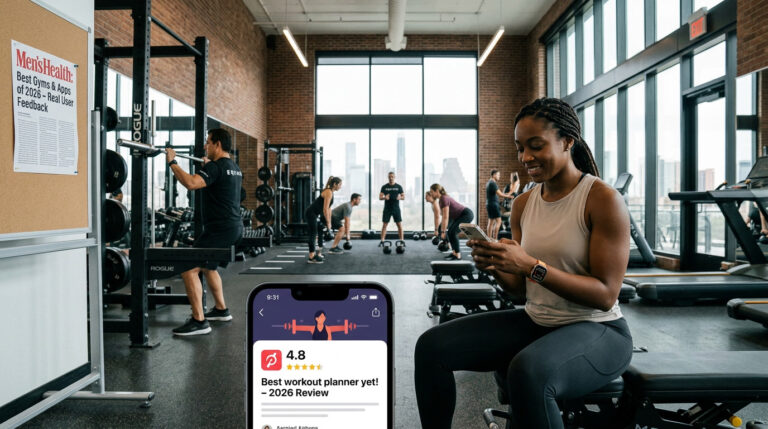
Wearable tech snagged the top spot in the ACSM’s 2026 fitness trends for the umpteenth time, but this year it’s leveled up with AI doing the heavy lifting. Forget basic step counters. Your smartwatch or ring now crunches sleep data, heart rate variability, blood sugar (via continuous glucose monitors), and even stress levels to spit out real-time coaching. U.S. News experts tied this with food-as-medicine for second place because it turns vague advice into “eat this salad or your glucose will spike—here’s why.”
Devices like Oura rings or Whoop bands link to apps that say things like, “Your HRV is low—try a 10-minute walk instead of coffee.” AI predicts patterns: “Last time you ate pasta at 8 p.m., you slept terribly. Skip it tonight?” It’s like having a personal trainer who never sleeps (and doesn’t judge your Netflix binges… much).
Humor alert: My watch once buzzed at 2 a.m. to tell me I was “restless.” Thanks, buddy—I was asleep! But seriously, these gadgets are closing the gap between knowing better and actually doing better. Sales are booming because busy parents, office workers, and retirees all want that edge without extra appointments.
Quick starter guide:
- Pick one with CGM if blood sugar is your thing (great for prediabetes folks).
- Use the data with a doctor or dietitian—don’t panic over every number.
- Bonus: Many integrate with Medicare or employer plans now.
By year’s end, expect even cheaper options with fall-detection and skin-temperature sensors. Your body’s data is no longer a mystery—it’s a superpower.
3. Food as Medicine: Eating Your Way Out of the Doctor’s Office
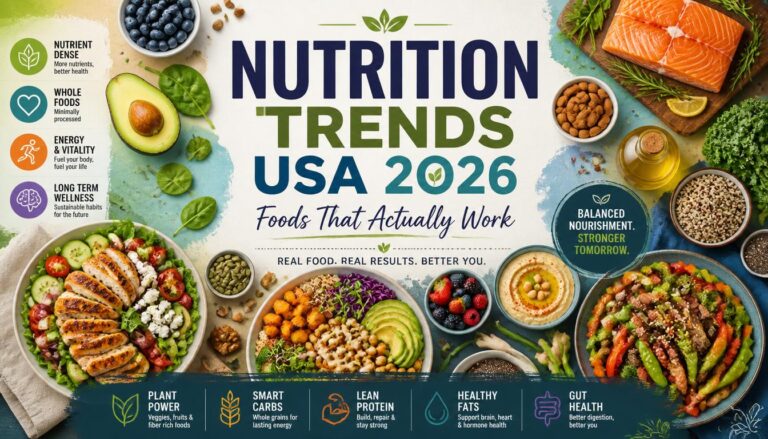
Tied for second in U.S. News voting, “food as medicine” means doctors and clinics are finally prescribing real meals instead of just pills. Think Mediterranean diet loaded with beans, veggies, whole grains, and olive oil. Experts say it’s the most effective long-term strategy for weight and health—69% voted it top dog. Fiber is the quiet hero: 38% of pros say ramping it up slashes chronic disease risk.
Why now? Ultra-processed junk is under fire (linked to faster brain aging and metabolic chaos), so people are asking, “Is this food close to its original form?” Labels are getting clearer, and clinics are handing out meal plans like prescriptions. No more “take this supplement and hope.” It’s whole foods doing the heavy lifting for inflammation, gut issues, and heart health.
Funny line: Your kale salad isn’t “basic” anymore—it’s basically a prescription. But let’s be real: nobody’s perfect. Start small by swapping one processed snack for nuts or fruit daily. Legumes (beans, lentils) are the MVP—cheap, filling, and gut-loving.
Pro tips in a list:
- Aim for 30+ grams of fiber daily (veggies, fruits, grains).
- Mediterranean beats everything for sustainability.
- Pair with GLP-1s for max results—nutrient-dense plates prevent deficiencies.
This trend feels refreshing because it’s not trendy gimmicks. It’s grandma’s cooking with science backup.
4. Gut Health Goes Next-Level: Your Microbiome Is the Boss
Gut health isn’t new, but 2026 makes it personal and evidence-based. Experts from Who What Wear and others say we’re done with juice cleanses. Now it’s “fibermaxxing,” fermented foods, and microbiome testing to fix everything from mood to metabolism. Prenuvo notes lower good bacteria links straight to obesity and inflammation.
Imagine your gut as a garden: Feed it right (prebiotics, fiber), and it rewards you with better immunity, steadier energy, and even happier thoughts. Products with Akkermansia or specific strains are flying off shelves because studies back them.
Humor break: Your stomach has been running the show all along—we just finally gave it a microphone. In the USA, where fast food rules, this is revolutionary. Track it with at-home tests or apps, then tweak your plate.
Easy ways to join:
- Eat fermented stuff: yogurt, kimchi, sauerkraut.
- Hit fiber goals without misery (oats, apples, beans).
- Consider a personalized probiotic if tests show gaps.
It ties into every other trend—better gut means better sleep, less inflammation, and easier weight management.
5. Neurowellness and Mental Fitness: Train Your Brain Like the Gym
The Global Wellness Summit called it the “rise of neurowellness,” and Who What Wear experts agree: we’re training our nervous systems for resilience instead of just popping anxiety meds. Breathwork, vagus nerve stimulation, micro-meditations, and biofeedback devices are mainstream. Exercise for mental health ranked high in ACSM too.
After years of hustle culture burnout, folks are realizing constant optimization is exhausting. Nervous system regulation helps with stress that no app can fully fix. Think short daily practices that calm the “fight or flight” mode.
Funny observation: Your brain is basically a toddler—give it structure and snacks (okay, maybe not literal snacks), and it behaves. In 2026, mental fitness apps and wearables track HRV as the new “steps.”
Daily habits that stick:
- 5-minute breathwork before bed.
- Community classes or apps for accountability.
- Link it to movement—yoga or walking counts double.
This trend feels human again. No more “push harder.” It’s “recover smarter.”
6. Longevity and Healthy Aging: Living Better, Not Just Longer
Healthy aging jumped to #2 in ACSM trends as boomers (73 million strong) demand programs that keep them independent. Global Wellness notes women are finally getting their own lane in longevity—protocols built for female biology, not just male data. Focus is on metabolic health, mitochondria, and biological age tests over just chasing wrinkles.
Muscle isn’t vanity; it’s your metabolic shield against insulin resistance. With GLP-1s in the mix, preserving lean mass is non-negotiable. Prenuvo highlights brain health scans and inflammation checks as routine.
Humor: Aging is inevitable, but looking like you’re 10 years younger while feeling it? That’s the cheat code everyone wants. Residences and clinics are adding biohacking suites—think preventive scans baked into real estate.
Action steps:
- Strength train 2-3 times weekly.
- Test biological age annually.
- Prioritize protein (1.6g per kg body weight if active).
It’s empowering: You’re not just “getting old.” You’re optimizing the long game.
7. Sleep Optimization: The Non-Negotiable Superpower
Sleep tech is booming to $58 billion globally by 2030, and Prenuvo calls it center stage for 2026. Wearables track stages and recovery; smart beds adjust temperature. Poor sleep wrecks metabolism, immunity, and mood—yet we treat it like optional.
In the USA, where hustle never sleeps, this trend flips the script. AI coaches suggest routines; light therapy and nootropics help. Who What Wear experts say it’s finally non-negotiable for longevity.
Funny truth: Your Oura ring knows you better than you know yourself after one bad night. Treat sleep like your highest-paying job.
Simple upgrades:
- Consistent bedtime (even on weekends).
- Cool, dark room—Eight Sleep pods are game-changers.
- Wind down without screens.
Better sleep makes every other trend easier. Period.
8. Fitness Programs for Older Adults: Boomers Are Crushing It
ACSM’s #2 trend: Active aging programs exploding because older adults now hit gyms more than any group. Balance, core, functional moves keep folks mobile and independent. It’s not “gentle yoga”—it’s smart, evidence-based training for real life.
Humor: Grandpa is out-lifting you at the senior center. Embrace it.
Programs mix strength, flow, and community. Perfect tie-in with longevity.
9. Precision Testing and Annual Upgrades: Know Thyself Deeply
Prenuvo’s big push: Ditch basic bloodwork for advanced panels spotting insulin resistance, inflammation, and genetic risks early. Whole-body imaging, epigenetics, and microbiome tests are the new normal. Precision diagnostics market is exploding.
Why USA? Long wait times for doctors mean memberships and at-home options fill the gap. Build your health dashboard like a financial portfolio.
10. The Over-Optimization Backlash: Joy, Community, and Keeping It Simple
Global Wellness Summit nailed it: We’re done measuring every metric 24/7. Backlash brings pleasure, “snack-sized” workouts, community classes, and simplified self-care. Cycle syncing for women, mental fitness over hustle.
Humor: Your body said, “Enough with the trackers—let’s enjoy a real pizza sometimes.” Community wellness (group hikes, club activations) makes habits stick without isolation.
Final Thoughts: Pick Your Battles, Enjoy the Ride
2026 health isn’t perfect—it’s progress with personality. Start with one or two trends that fit your life. Maybe a new wearable and more fiber. Or a GLP-1 chat if your doc recommends it. The goal? Feel better, laugh more, and skip the guilt.
About the Author