Picture this: You wake up one morning feeling a little off, drag yourself to the doctor, and before you know it, a simple checkup turns into a bill that could fund a decent family vacation. Welcome to US healthcare in 2026, where costs keep climbing faster than your morning coffee addiction. It’s not just annoying—it’s stressful. But here’s the good news: you don’t have to take it lying down (or on an exam table). This article breaks it all down in plain English, with practical steps to slash those bills without needing a medical degree or a trust fund. We’ll laugh a bit along the way because, honestly, if we didn’t chuckle at the absurdity, we’d all be crying into our empty wallets.
The Shocking Reality of Healthcare Costs in 2026
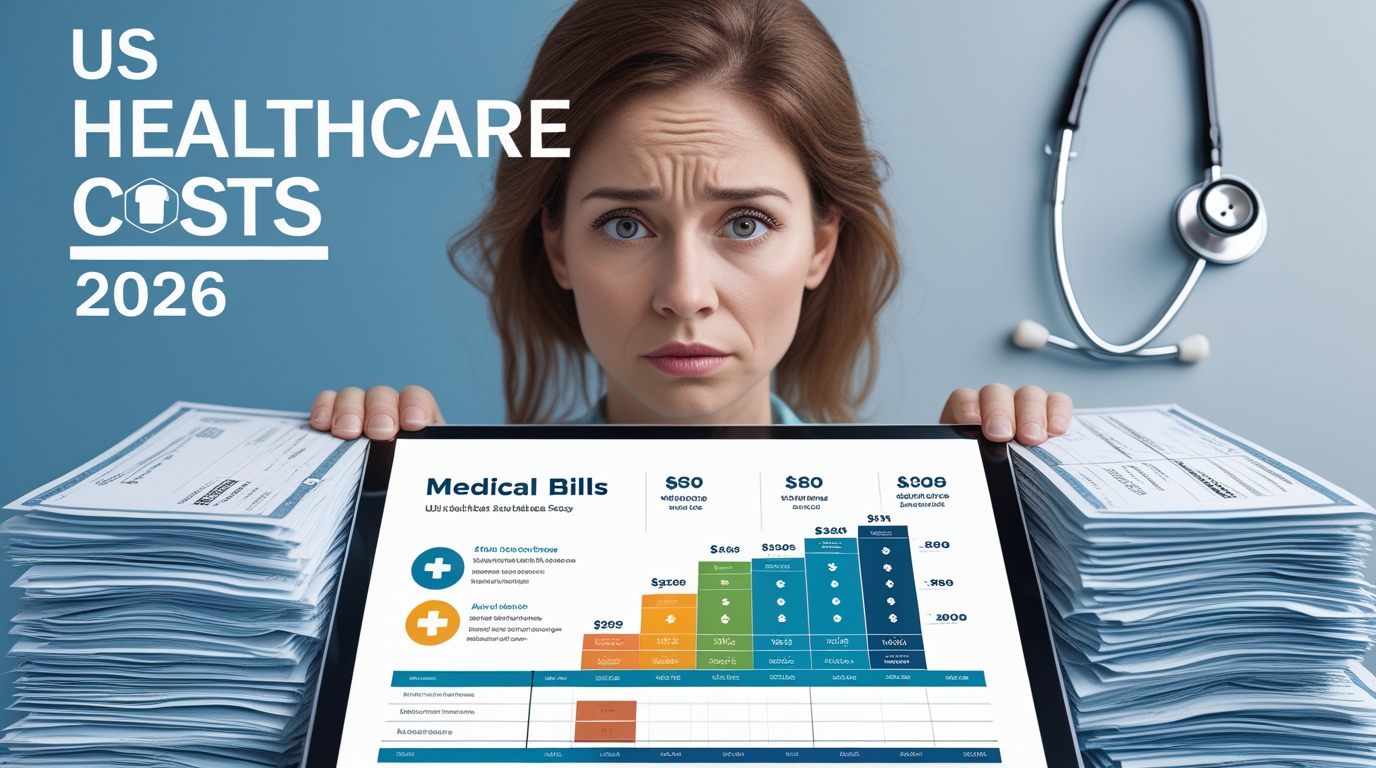
Let’s start with the cold, hard numbers that make your eyes water. Healthcare spending in the US is still growing like a bad weed. Experts project medical cost trends around 8.5% for group plans and 7.5% for individual ones this year. Employers are bracing for about a 9% jump before they tweak their plans, landing closer to 7.6% after some smart adjustments. For families with employer-sponsored coverage, that means premiums and out-of-pocket costs keep eating into budgets bigger than ever.
On the individual side, Affordable Care Act (ACA) marketplace plans saw some serious hikes—median proposed increases around 18%, with averages hitting 26% in certain markets. A typical Silver plan for a 40-year-old now runs about $752 a month. That’s not pocket change. And don’t forget Medicare Part B premiums jumped nearly 10% too. Per-person spending hovers around $15,000-plus annually when you factor in everything from hospital stays to prescriptions.
Why does this matter to you? Because even with insurance, deductibles, copays, and coinsurance can sneak up and bite hard. A family of four might shell out thousands in premiums alone, plus another few grand in unexpected expenses. It’s like the system designed a game where the house always wins—until you learn the rules and start playing smarter.
Why Costs Keep Climbing: A Humorous (But Painful) Look
If healthcare costs were a movie villain, it’d be the one that keeps coming back stronger. Aging baby boomers need more care. Chronic conditions like diabetes and heart disease are on the rise, partly thanks to our love for processed snacks and screen time. Then there are fancy new drugs—think those GLP-1 weight-loss shots everyone’s talking about—pushing pharmacy spending up double digits. Add in administrative headaches, hospital mergers, and the occasional tariff threat on imports, and you’ve got a perfect storm.
It’s almost funny in a tragic way. One day you’re fine, the next your doctor recommends a scan that costs more than your first car. Hospitals and insurers point fingers at each other while patients foot the bill. But don’t worry—we’re not here to rant. We’re here to arm you with tools so you can dodge the worst of it. Think of it as your personal shield against the healthcare money vacuum.
Choosing the Right Insurance Plan: Your First Line of Defense
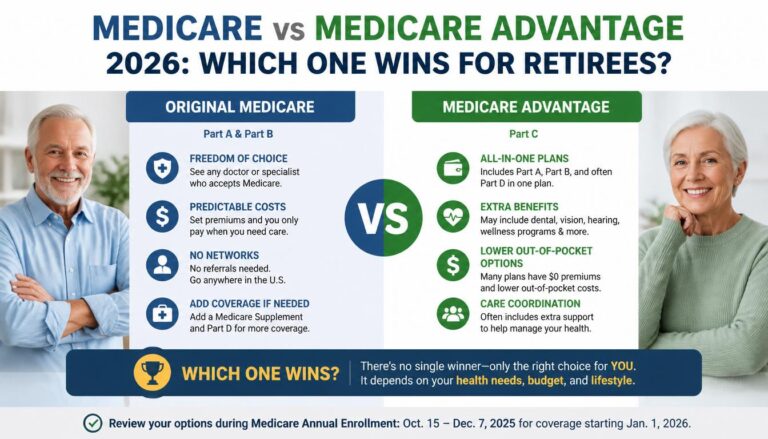
Insurance isn’t sexy, but picking the wrong one is like wearing flip-flops to climb a mountain—painful and pointless. Start by reviewing your plan every year during open enrollment. Ask yourself: Do I expect a lot of doctor visits this year? High-deductible plans with lower premiums might pair well with a Health Savings Account (HSA) if you’re healthy and can stash pre-tax cash for future bills.
Compare plans side by side. Look at premiums, deductibles, out-of-pocket maximums, and network size. Staying in-network saves a fortune—out-of-network care can double or triple costs. Use online calculators from sites like Healthcare.gov or your employer’s portal to run scenarios. For example, if you have kids or a chronic issue, a plan with better preventive coverage might pay for itself.
Here’s a quick comparison table to make it crystal clear:
| Plan Type | Monthly Premium (approx.) | Deductible (individual) | Best For | Potential Savings Tip |
|---|---|---|---|---|
| High-Deductible + HSA | $400–$600 | $1,700+ | Healthy folks | Tax-free savings on bills |
| PPO (Preferred) | $600–$900 | $1,000–$2,000 | Frequent care users | Flexible provider choices |
| HMO | $500–$700 | Lower | Budget-conscious families | Cheaper if you stay in-network |
| ACA Silver | $752 (avg. 40yo) | Varies | Moderate needs | Subsidies if income qualifies |
Preventive Care: The Cheapest Way to Stay Healthy (And Avoid Big Bills)
Prevention really is worth a pound of cure—or in this case, a few thousand dollars. Most plans cover annual checkups, vaccines, and screenings at no extra cost. Get your physical, mammogram, or colonoscopy on the calendar early. Catching something small now beats paying for major surgery later.
Lifestyle tweaks help too. Eat better, move more, and manage stress. It’s not glamorous, but skipping the drive-thru a few times a week can lower your risk for expensive chronic issues. Apps that track steps or remind you to drink water are free or cheap and actually work if you stick with them.
Humor break: Think of preventive care like flossing—nobody wants to do it daily, but ignore it and you’ll regret it when the dentist (or cardiologist) bill arrives. Schedule that appointment today. Your future self (and wallet) will thank you.
Smart Ways to Handle Prescriptions: Don’t Pay Full Price
Prescription drugs are one of the fastest-rising costs, especially specialty meds. Always ask for generics—they work the same but cost way less. Pharmacies like CVS or Walgreens often have discount programs, and apps like GoodRx can slash prices by 50-80% even without insurance.
Compare cash prices versus using your plan. Sometimes paying cash is cheaper than the copay! Bring it up at the counter. For pricey drugs, check manufacturer copay assistance programs or patient assistance foundations. They exist because companies want you on their meds.
List of quick wins:
- Use GoodRx or SingleCare coupons
- Fill 90-day supplies instead of 30-day
- Switch to mail-order pharmacies for chronic meds
- Ask your doctor about cheaper alternatives
One guy I know saved $1,200 a year on his blood pressure meds just by asking for the generic and using a coupon. Small changes add up fast.
Telemedicine: Doctor Visits Without Leaving Home
Why drive, park, and sit in a germy waiting room when you can video chat with a doctor from your couch? Telemedicine exploded and it’s still a money-saver in 2026. Copays are often $0–$50 versus $100+ for in-person. It’s perfect for colds, rashes, mental health check-ins, or prescription refills.
Most major insurers cover it, and standalone services like Teladoc or Amwell are affordable. Just confirm your plan’s details—some require you to try telemedicine first for certain issues. Pro tip: Have your symptoms ready and photos if needed. It’s efficient and keeps costs down.
Imagine avoiding a $200 urgent care visit because you hopped on a 10-minute call. That’s real money in your pocket for groceries or that vacation you keep postponing.
Negotiating Your Medical Bills: Don’t Accept the First Number
Here’s where you channel your inner car buyer. Hospitals expect negotiation—many bills have wiggle room. Always ask for an itemized bill. Scan it for errors like duplicate charges or services you didn’t get. One woman found a $500 “miscellaneous” fee that vanished after a polite call.
If the bill is huge, apply for charity care or financial assistance. Nonprofit hospitals must offer it based on income. Even for-profits often have programs. Call the billing department, explain your situation, and ask for a discount or payment plan. Phrases like “What’s the cash-pay price?” or “Can we settle for less if I pay today?” work wonders.
Steps to negotiate like a boss:
- Request itemized bill within 30 days
- Check for errors and dispute them
- Research fair prices using tools like FAIR Health
- Call and be polite but firm
- Get everything in writing
People routinely cut bills by 20-50%. It’s not magic—it’s persistence.
Understanding Your Rights: The No Surprises Act and More
Thankfully, the No Surprises Act is still protecting folks from those nightmare out-of-network bills for emergencies or surprise providers at in-network hospitals. You shouldn’t get stuck with huge charges just because an anesthesiologist wasn’t in your network. Know your rights: Dispute bills through the independent process if needed.
Also, watch for “balance billing” and always verify providers are in-network before procedures. Apps and your insurer’s portal make this easy. Staying informed turns you from victim to victor.
HSAs, FSAs, and Tax Savings: Free Money for Medical Stuff
If you qualify for a high-deductible plan, open an HSA. Contribute pre-tax dollars (up to $4,150 individual or $8,300 family in 2026 estimates) and use them tax-free for qualified expenses. It rolls over year after year—basically a healthcare piggy bank.
FSAs are use-it-or-lose-it but great for predictable costs like glasses or dental. Both beat paying with after-tax cash. Set it and forget it; the savings compound.
Government Assistance: Who Might Qualify?
Don’t overlook Medicaid, Medicare extras, or state programs. If your income dropped or you have kids, check Healthcare.gov for subsidies—though some enhanced ones expired, others still help. Veterans, low-income seniors, and certain disabled folks have options too.
Community health centers offer sliding-scale fees. It’s not perfect, but it beats going without care.
Lifestyle Changes and Daily Habits That Save Big
Small habits prevent big bills. Quit smoking (saves on meds and future heart issues). Manage weight to dodge diabetes drugs. Build an emergency fund specifically for deductibles—aim for three months’ expenses if possible.
Track spending with a simple app. Budget for healthcare like rent. One family started a “medical jar” and saved enough for their kid’s braces without debt.
Real Stories: How Everyday People Fought Back
Take Sarah from Texas. She got a $4,000 ER bill after a minor fall. She requested charity care, negotiated down to $800, and paid in installments. Saved thousands with two phone calls.
Or Mike, who used GoodRx on his wife’s insulin and cut costs from $300 to $80 a month. “It felt like winning the lottery,” he said.
These aren’t outliers. Regular folks do this daily. You can too.
Handy Tools and Apps to Keep in Your Pocket
- GoodRx or SingleCare for prescriptions
- Healthcare.gov for plan shopping
- Your insurer’s app for claims and networks
- Mint or YNAB for budgeting medical costs
- FAIR Health Consumer for price estimates
Download a couple and use them before every appointment.
Conclusion: Take Control and Breathe Easier
US healthcare costs in 2026 aren’t going away, but you can shrink your share dramatically. Review plans, prevent problems, negotiate fiercely, and use every tool available. It’s not about becoming a healthcare expert overnight—it’s about small, consistent steps that add up to real savings.
Laugh at the absurdity, but act on the advice. Your wallet (and peace of mind) will thank you. Start today with one thing: Check your plan or schedule that preventive visit. You’ve got this.
About the Author