Living in the USA in 2026 can feel like a full-contact sport. Between dodging endless work deadlines, scrolling through endless food delivery apps, and wondering if that new “superfood” trend is just another way to sell overpriced powder, staying healthy seems harder than ever. Our cars are bigger, our portions are supersized, and our schedules are packed tighter than a rush-hour subway in New York. But here’s the good news: you don’t need to become a yoga instructor who wakes up at 4 a.m. to meditate with crystals. These 15 practical tips are written for regular folks—office workers, parents, students, and anyone who just wants to feel better without turning their life upside down. I’ve thrown in a few laughs because, let’s be honest, if we can’t joke about our love for drive-thru tacos, what’s the point? Let’s dive in.
Tip 1: Ditch the Drive-Thru Habit and Start Cooking at Home More Often
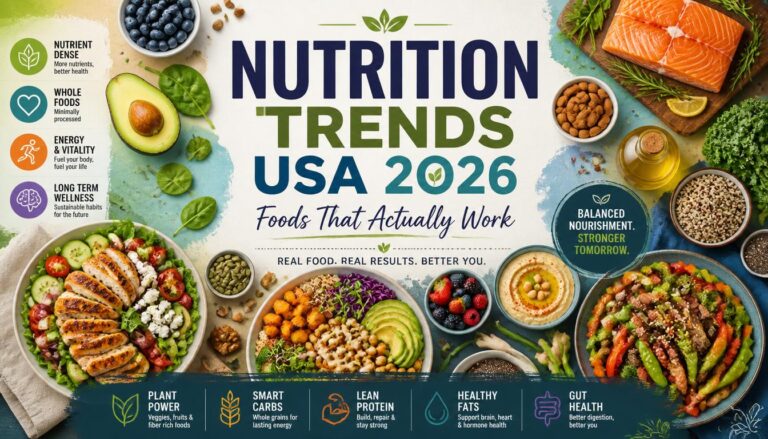
Let’s face it—America’s love affair with fast food is legendary. In 2026, every corner still has a glowing sign promising “fresh” burgers in under sixty seconds. But those quick meals are loaded with salt, sugar, and mystery ingredients that make your body feel like it ran a marathon after sitting on the couch. Cooking at home doesn’t mean becoming a Michelin-star chef. It means throwing together simple meals that actually taste good and won’t leave you bloated.
Start small. Pick two nights a week where you cook instead of ordering in. Keep your fridge stocked with basics like eggs, rice, beans, frozen veggies, and chicken breasts. A funny thing happens when you cook: you realize how much money you save. That $12 combo meal adds up fast when you do it five times a week. Try a one-pan dinner—chop some veggies, toss in protein, season with whatever spices make you happy, and bake it. Boom. Dinner in thirty minutes.
Here’s a simple weekly starter list to keep things easy:
- Monday: Stir-fry chicken with frozen broccoli and rice
- Tuesday: Bean tacos with salsa and avocado
- Wednesday: Leftover remix night
- Thursday: Eggs and veggies scramble
- Friday: Homemade pizza with whole-wheat crust and loads of toppings
You’ll feel lighter, your wallet will thank you, and you might even discover you’re a decent cook. Who knew?
Tip 2: Walk More and Drive Less—Your Body Was Built for Movement
Americans are famous for driving two blocks to the mailbox. In 2026, with gas prices still doing their roller-coaster dance and traffic getting worse, it’s tempting to stay glued to the seat. But your legs were not designed to be decorative. Walking is free, requires zero fancy equipment, and does wonders for your heart, mood, and waistline.
Aim for 7,000 to 10,000 steps a day. Park farther away at the grocery store. Take the stairs instead of the elevator at work. Walk around the block during your lunch break instead of scrolling at your desk. If you live in a city, use public transit and walk to the stop. If you’re in the suburbs, turn your evening dog walk into a power walk—your pup will love the extra zoomies.
Pro tip: Turn it into a game. Challenge a friend to a weekly step contest. Loser buys the winner a coffee (decaf if you’re trying to sleep better). You’ll laugh at how competitive you both get, and before you know it, those extra pounds start melting off without you even noticing.
Tip 3: Hydrate Like It’s Your Full-Time Job
Dehydration sneaks up on you in the land of air-conditioned offices and endless coffee runs. In 2026, we still chug energy drinks like they’re water, but plain old H2O is the real MVP. Your brain feels foggy, your skin looks tired, and you blame it on “just a long week” when really you’re just dry inside.
Carry a reusable bottle everywhere. Refill it at work, in the car, at the gym. Add a slice of lemon, cucumber, or a few berries if plain water bores you to tears. Set phone reminders if you forget—yes, even adults need them. Aim for at least 80 ounces a day, more if you’re sweating at the gym or outside in the summer heat.
Funny story: I once tried to survive on iced coffee alone during a busy month. By day four I felt like a raisin with opinions. Lesson learned. Drink water first, coffee second. Your kidneys and your energy levels will throw you a party.
Tip 4: Master Sleep—Because Netflix Can Wait Until Tomorrow
In 2026, we’re still bragging about surviving on five hours of sleep like it’s a badge of honor. Spoiler: it’s not. Poor sleep makes you cranky, hungry for junk food, and more likely to catch every cold floating around the office.
Create a wind-down routine that actually works. Dim the lights an hour before bed. Put the phone across the room so you’re not tempted to check “one last email.” Keep your bedroom cool and dark—blackout curtains are worth every penny. If your brain won’t shut up, try writing tomorrow’s to-do list on paper. It’s like telling your mind, “I got this, now go to sleep.”
Most adults need seven to nine hours. Test it for two weeks and watch your mood, focus, and even cravings improve. You’ll wonder why you ever thought 2 a.m. scrolling was a good idea.
Tip 5: Manage Stress Before It Turns You Into a Grumpy Mess
American life in 2026 is basically stress with extra steps. Bills, traffic, family drama, and that one coworker who replies-all to everything. Chronic stress quietly raises blood pressure and makes you reach for the cookie jar.
Find your personal off-switch. For some it’s a ten-minute walk. For others it’s calling a friend and laughing about nothing. Try the “5-4-3-2-1” grounding trick when anxiety hits: name five things you see, four you can touch, three you hear, two you smell, one you taste. It sounds silly, but it works faster than doom-scrolling.
Humor helps too. When life feels ridiculous, say out loud, “Well, this is going in the group chat later.” Laughter lowers stress hormones. Don’t underestimate the power of a good meme break—taken in moderation, of course.
Tip 6: Schedule Those Annual Check-Ups and Actually Go
Healthcare in America is expensive and sometimes confusing, but skipping check-ups is like ignoring the check-engine light in your car. In 2026, preventive care is still your best friend. Blood pressure, cholesterol, blood sugar—these numbers matter.
Use your insurance portal to book appointments early. Many plans cover annual physicals with little or no copay. Bring a list of questions so you don’t forget anything. If cost is an issue, look into community health clinics or workplace wellness programs. Some companies even offer free screenings.
Think of it as car maintenance for your body. You wouldn’t drive 50,000 miles without an oil change, right? Same idea.
Tip 7: Stay Current with Vaccines and Preventive Screenings
Vaccines aren’t just for kids anymore. In 2026, staying up to date on flu, COVID boosters, shingles, and whatever new variant is making the rounds keeps you out of the doctor’s office during peak season. Preventive screenings like mammograms, colonoscopies, and skin checks catch problems early when they’re easier to fix.
Mark your calendar and treat these appointments like important meetings. Bring a friend for moral support if needles make you queasy. Reward yourself afterward with something healthy and fun, like a new pair of walking shoes.
Tip 8: Cut Screen Time and Give Your Eyes and Brain a Rest
Our phones are basically glued to our hands in 2026. Blue light messes with sleep, and endless scrolling steals time you could spend moving or connecting with real people.
Set a bedtime curfew for screens. Use the “Do Not Disturb” feature after 9 p.m. Try the 20-20-20 rule during the day: every twenty minutes, look at something twenty feet away for twenty seconds. Delete a couple of time-sucking apps if you need to. Replace scrolling with a real book or a podcast while you walk.
You’ll be shocked how much calmer you feel when your brain isn’t marinating in notifications 24/7.
Tip 9: Build Real-Life Connections Instead of Just Likes
Social media likes feel good for about three seconds, but real hugs and conversations feed your soul. Loneliness is sneaky in 2026—everyone looks connected online, yet many feel isolated.
Join a club, volunteer, or sign up for a local sports league. Host a simple potluck where everyone brings one dish. Call your parents or siblings instead of texting. Human connection lowers stress and even boosts your immune system. Plus, laughing with actual people beats laughing at memes alone.
Tip 10: Treat Mental Health Like the Priority It Is
Therapy isn’t just for celebrities in 2026—it’s normal, helpful, and often covered by insurance. If you’re feeling overwhelmed, anxious, or just “off,” talking to a professional is one of the smartest things you can do.
Start with your primary doctor for a referral or use apps that offer affordable virtual sessions. There’s no shame in it. Think of it like taking your car to a mechanic instead of hoping the weird noise goes away. A funny side effect: once you start working on your mental game, you’ll have more energy for everything else.
Tip 11: Exercise in Ways That Don’t Feel Like Punishment
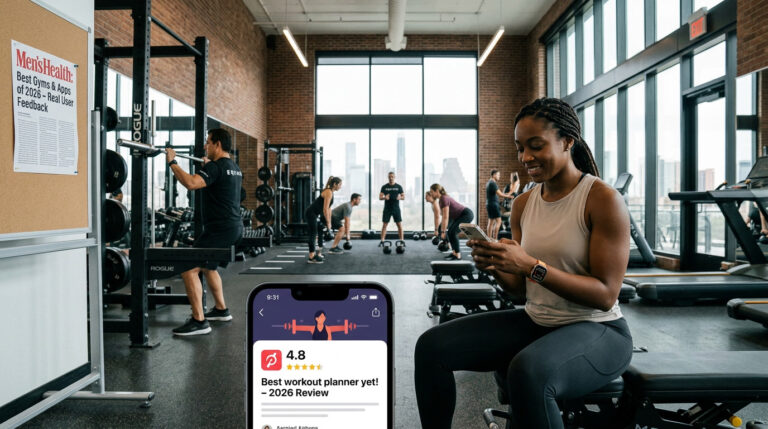
Gym memberships collect dust for a reason—boredom. Find movement you actually enjoy. Dance in your living room to old-school playlists. Join a pickup basketball game. Hike local trails on weekends. Take a beginner pickleball class—half the country seems obsessed with it for good reason.
Aim for 150 minutes of moderate activity a week. Mix cardio, strength, and flexibility. Here’s a sample weekly table that works for busy people:
| Day | Activity | Time | Why It Works |
|---|---|---|---|
| Monday | Brisk walk | 30 min | Clears the mind after work |
| Tuesday | Bodyweight strength | 20 min | No gym needed |
| Wednesday | Fun dance video | 25 min | Laughs guaranteed |
| Thursday | Rest or gentle stretch | 15 min | Recovery day |
| Friday | Pickleball or bike ride | 45 min | Social + exercise combo |
| Weekend | Nature hike or yard work | 60 min | Fresh air bonus |
Tip 12: Make Vegetables Taste Amazing Instead of Forcing Them Down
Nobody gets excited about plain steamed broccoli. Season it! Roast veggies with olive oil, garlic, and a sprinkle of cheese. Blend spinach into smoothies so you don’t even taste it. Try new recipes from free apps or YouTube channels aimed at regular cooks.
Half your plate should be vegetables or fruit most meals. Your body will thank you with steady energy and fewer cravings. And yes, you can still have dessert—just make it smaller and pair it with the good stuff.
Tip 13: Smart Snacking—Skip the Vending Machine Roulette
The office vending machine is basically a sugar trap with buttons. Pack snacks from home: Greek yogurt, nuts, apples with peanut butter, or carrot sticks with hummus. Keep a stash in your car or desk drawer.
A quick comparison table for smarter choices:
| Craving | Vending Trap | Smart Swap | Benefit |
|---|---|---|---|
| Salty | Chips | Mixed nuts | Healthy fats, no crash |
| Sweet | Candy bar | Apple + almond butter | Fiber keeps you full |
| Crunchy | Pretzels | Veggie straws or popcorn | Lower sodium |
| Quick energy | Energy drink | Water + banana | No jitters |
Tip 14: Spend Time in America’s Backyard—The Great Outdoors
We have national parks, state forests, and local trails that most countries would kill for. In 2026, getting outside is still one of the cheapest, most effective ways to boost mood and fitness.
Plan one outdoor adventure a month, even if it’s just a picnic at the local park. Sunlight helps your body make vitamin D, which most of us are low on. Fresh air clears your head better than any app. And if you bring friends or family, it doubles as social time.
Tip 15: Use 2026 Technology Without Letting It Use You
Wearables, health apps, and AI coaches are everywhere now. A good smartwatch can remind you to stand, track sleep, and even suggest breathing exercises. Telehealth visits save you time and money.
Pick one or two tools and use them wisely. Set realistic goals instead of obsessing over every stat. Remember, the tech is there to help, not to make you feel guilty for missing a step goal. If an app starts stressing you out, delete it. Balance is key—even in the tech age.
About the Author