Why Buy Bitcoin and Ethereum in 2026?
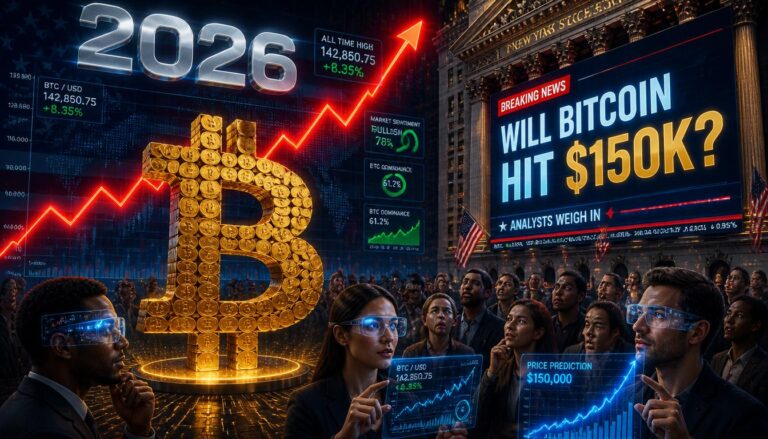
First off, why these two specifically? Bitcoin is basically the grandpa of crypto—born in 2009, still going strong, and treated like digital gold by Wall Street. As of mid-2026, it’s hovering around the $75,000–$77,000 mark, proving it’s no flash-in-the-pan. People love it for its fixed supply (only 21 million will ever exist) and its role as a hedge against inflation or economic weirdness. Ethereum, on the other hand, is the workhorse. It powers smart contracts, NFTs, decentralized apps, and even some of the internet’s future. ETH sits around $2,300–$2,400 lately, and with upgrades like better staking and layer-2 scaling, it’s not just a coin—it’s infrastructure.
In 2026, the USA is friendlier to crypto than ever. Regulators have finally drawn some clear lines (thanks to new laws like the GENIUS Act for stablecoins and clearer SEC/CFTC rules), so buying isn’t the Wild West anymore. ETFs made it mainstream, banks are playing nice, and your neighbor probably owns some. But here’s the funny part: prices still rollercoaster like a caffeinated toddler. One day you’re up 10%, the next you’re questioning your life choices. That’s crypto for you—exciting enough to make your heart race, but volatile enough to keep you humble.
Buying now means you’re not just gambling; you’re getting in on real utility. Bitcoin for storing value long-term, Ethereum for the tech that might run the next big thing. Plus, with dollar-cost averaging (buying a little every month), you avoid the “I bought at the top!” regret that hits newbies harder than a Monday morning. Ready? Good. Let’s pick your battlefield.
Choosing the Right Exchange for US Residents
Not all platforms are created equal, especially in the USA where rules are strict. Skip the shady overseas exchanges unless you enjoy IRS headaches. Stick to regulated ones that follow KYC (Know Your Customer) and AML (Anti-Money Laundering) laws. Here’s the 2026 lineup of the best for Americans:
- Coinbase: The friendly giant. Super easy app, great for beginners, and your USD is even FDIC-insured up to certain limits. Fees are a bit higher, but the hand-holding is worth it.
- Kraken: Low fees, advanced tools, and rock-solid security. Perfect if you graduate from newbie to “I trade a bit.”
- Gemini: Founded by the Winklevoss twins (yeah, those guys). Obsessed with security and compliance—great if you’re paranoid (smart move).
- Robinhood: Zero-commission crypto buys, tied to your stock trading. Simple, but limited features and you don’t truly “own” the keys easily.
- Others worth a peek: Binance.US (if you want more coins), Uphold, or Crypto.com for rewards.
Here’s a quick comparison table to make your decision less painful:
| Exchange | Best For | Fees (Approx.) | Ease of Use | Security Perks | Drawbacks |
|---|---|---|---|---|---|
| Coinbase | Beginners | 0.5–4.5% (varies) | Very High | FDIC on USD, insurance fund | Higher fees on small buys |
| Kraken | Active traders | 0.16–0.26% | Medium | Proof-of-reserves, cold storage | Steeper learning curve |
| Gemini | Security nuts | 0.35–1.49% | High | SOC 2 certified, cold storage | Fewer coins sometimes |
| Robinhood | Super simple | 0% commission | Highest | Easy app | Limited wallet control |
Step-by-Step: Signing Up and Verifying Your Account
Alright, phones out. Head to your chosen exchange’s website or app. Signing up takes about 10 minutes—faster than ordering DoorDash.
- Create an account: Use your real email (not some burner—regulators hate that). Pick a strong password. Enable two-factor authentication (2FA) immediately. SMS is okay, but app-based like Google Authenticator is better because SIM-swapping scams are real.
- KYC time: Upload a photo of your driver’s license or passport, snap a selfie, and enter your Social Security Number. It feels invasive, like the government is peeking at your browser history, but it’s federal law. Most approvals happen in minutes to a couple days.
- Why the hassle? It keeps bad guys out and protects you. Laugh at yourself while doing it—everyone looks ridiculous in those verification selfies.
Once verified, you’re in. Congrats! You’ve cleared the first boss level.
Funding Your Exchange Account
Now for the money part. Don’t use a credit card unless you enjoy 3–4% extra fees and potential cash-advance interest. That’s like paying extra to punch yourself.
Best options in 2026:
- ACH bank transfer: Free or pennies, takes 1–3 business days. Link your checking account once and you’re golden.
- Wire transfer: Faster for big bucks ($10,000+), but might cost $10–30.
- Debit card: Instant but fees apply (1–3%).
- Apple Pay/Google Pay: On some platforms—convenient for small buys.
Go to the “Deposit” or “Fund Account” section, pick USD, and follow the prompts. Pro move: Start small, like $50–100, so you can test the waters without heart palpitations. Imagine wiring your life savings and then watching the price drop 5%—not fun. Dollar-cost average instead: Buy a little every week like a responsible adult.
How to Buy Bitcoin – Detailed Walkthrough
You’ve got funds. Time for the main event.
- Navigate to Buy/Sell: In Coinbase, it’s a big “Buy & Sell” button. Search for “Bitcoin” or “BTC.”
- Enter amount: Type in dollars or BTC amount. The app shows you the current price (around $76,000 lately) and estimated fees.
- Review and confirm: Double-check. Hit buy. Boom—coins are yours (on the exchange, at least).
- Market vs. limit order: Market buys instantly at current price (easy). Limit orders let you set a price (smarter if you’re picky).
Here’s a funny truth: Your first buy might feel anti-climactic. No fireworks, just a number on a screen. But that little BTC is now yours. Celebrate with a high-five to your reflection.
Repeat the same on Kraken or Gemini—interfaces vary slightly but the dance is identical.
How to Buy Ethereum – What’s Different?
Ethereum follows almost the exact same steps, but with a couple twists. Search for “Ethereum” or “ETH” instead. It’s usually cheaper per coin (around $2,300–$2,400), so you can buy whole ETH easier than fractions of Bitcoin.
The big difference? Ethereum’s ecosystem. Once you own it, you might stake it for rewards (like earning interest) on platforms like Coinbase or Kraken. Gas fees (transaction costs on the Ethereum network) can spike during busy times, but layer-2 solutions in 2026 make it way cheaper.
Pro tip: If you’re buying both, do Bitcoin first—it’s simpler. Then Ethereum feels like the sequel that’s actually better.
Storing Your Crypto Safely: Wallets Explained
Never, ever leave big amounts on the exchange. It’s like leaving cash on the sidewalk. “Not your keys, not your coins” is the crypto mantra for a reason—exchanges can get hacked (rare now, but still).
Hot wallets (online/software): Convenient for daily use.
- Coinbase Wallet or Exodus: User-friendly apps.
- MetaMask: Great for Ethereum and DeFi.
Cold wallets (offline/hardware): The Fort Knox option.
- Ledger or Trezor: Plug in when you need to move funds.
- Tangem: Card-style, super simple.
Here’s a wallet comparison table:
| Wallet Type | Examples | Best For | Cost | Security Level |
|---|---|---|---|---|
| Software (Hot) | Exodus, Trust Wallet | Beginners, small amounts | Free | Good |
| Hardware (Cold) | Ledger, Trezor | Long-term HODLers | $50–$150 | Excellent |
| Mobile | Coinbase Wallet | Everyday use | Free | Solid |
Understanding Fees and How to Minimize Them
Fees sneak up like that one friend who always “forgets” their wallet. Expect:
- Trading fees: 0.1–4% depending on platform and size.
- Network fees: Tiny for Bitcoin, variable for Ethereum.
- Spread: The hidden difference between buy and sell price.
Minimize by:
- Using ACH deposits.
- Buying larger amounts less often.
- Choosing low-fee platforms like Kraken for bigger trades.
- Avoiding peak times for Ethereum gas.
A $100 buy might cost you $2–5 total. Not bad, but it adds up if you’re sloppy.
Taxes: What You Need to Know in 2026
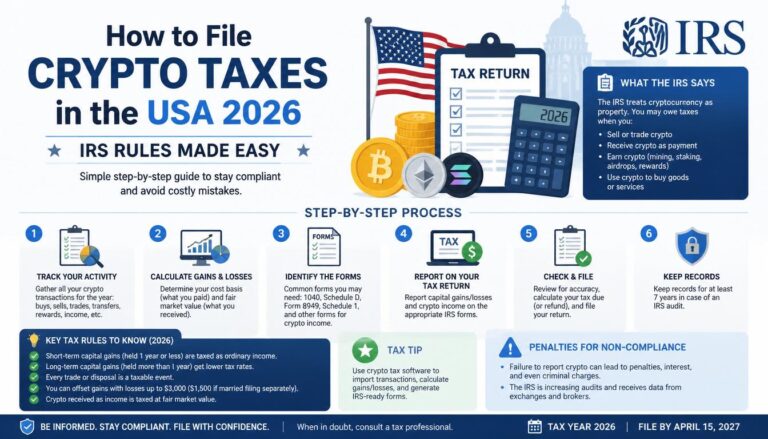
The IRS treats crypto like property, not magic internet money. Sell, trade, or spend it? That’s a taxable event.
- Short-term (held <1 year): Taxed as ordinary income (10–37% based on your bracket).
- Long-term (>1 year): 0–20% capital gains—much nicer.
Big 2026 change: Exchanges now report your cost basis on Form 1099-DA. No more guessing what you paid. Still, track everything. Use apps like CoinLedger or Koinly—they import your transactions and spit out tax forms.
Humor break: Filing crypto taxes feels like explaining to your accountant why you spent $50 on a cartoon monkey NFT. Keep records or cry later.
Common Mistakes Newbies Make (And How to Avoid Them with a Smile)
- FOMO buying: “It’s going up! Must buy now!” Wait for a dip or use dollar-cost averaging.
- Ignoring security: Weak passwords, no 2FA. Don’t be that person.
- Leaving it on exchange: See earlier rant.
- Chasing memes: Stick to BTC and ETH unless you like gambling.
- Panic selling: Crypto dips 20%? Breathe. It’s normal.
Laugh at your mistakes—they’re tuition. Start tiny and learn.
Alternatives to Traditional Exchanges
Not feeling an app? Try:
- Bitcoin ETFs: Buy through your brokerage (IBIT, FBTC)—no wallet needed, but indirect.
- P2P platforms: Like LocalBitcoins (if still around) or Cash App/PayPal for small buys.
- ATMs: Convenient but high fees (5–10%).
- Robinhood or stock apps: Easiest for total newbies.
Advanced Tips for 2026 Crypto Buyers
Once comfortable, explore staking ETH for 3–5% yields, or set up recurring buys. Watch for new regulations—they’re mostly positive now. And remember: Only invest what you can afford to lose. Crypto isn’t a get-rich-quick scheme; it’s a get-rich-slowly-if-you’re-patient one.
Conclusion
There you have it—your complete, no-BS guide to buying Bitcoin and Ethereum in the USA in 2026. From signing up to securing your stash, you’re now equipped. The market will still make you laugh, cry, and refresh charts at 2 a.m., but that’s part of the adventure. Start small, stay curious, and maybe one day you’ll tell your grandkids how you bought your first BTC when it was “only” $76,000.
HODL responsibly, friends. And if the price crashes tomorrow? Well, at least you learned something. Now go buy that first fraction—you’ve earned it.
About the Author